High-precision machined configurations optimized for thermal stability, signal transmission, and tight tolerances.
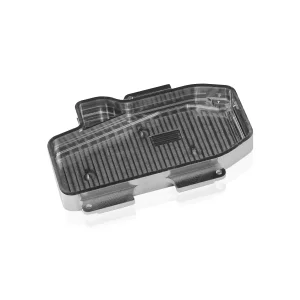
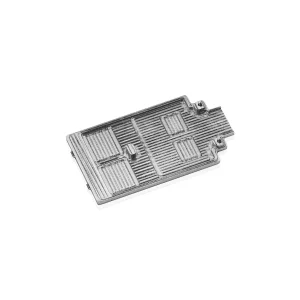
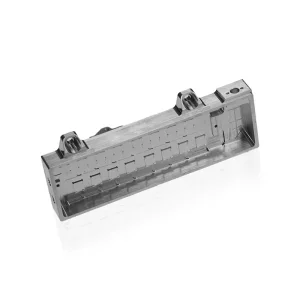
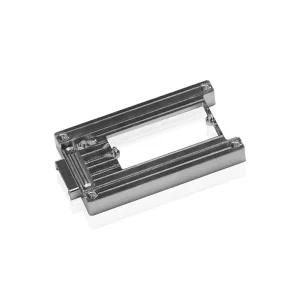
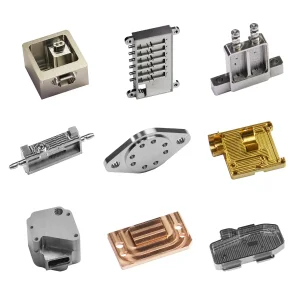
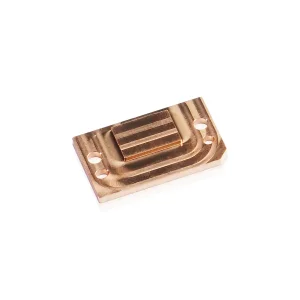
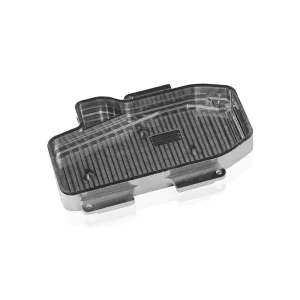
The global commercial and industrial sectors are experiencing an unprecedented surge in demand for ultra-precise mechanical designs. Computer Numerical Control (CNC) mill designs have evolved from simple machining layouts into hyper-optimized, multi-axis structural configurations capable of handling advanced refractory materials, superalloys, and matched-expansion metals. In modern heavy industries, micro-machined parts must operate reliably under extreme environments—ranging from cryogenic space exploration systems to high-heat semiconductor manufacturing chambers.
Engineering designs for CNC milling are no longer just about removing material; they represent a delicate balance of metallurgy, kinematics, and structural physics. Manufacturers globally are seeking design blueprints that minimize tool deflection, prevent micro-cracking in brittle materials like Kovar and titanium, and optimize surface finish characteristics. Industrial sectors such as aerospace, telecommunications, and defense demand custom geometric tolerances of less than ±0.005mm. Achieving this caliber of manufacturing requires specialized design expertise that factors in the unique shear strength, thermal expansion, and ductility of high-performance alloys.
“Information Gain Advantage: Modern CNC mill design must incorporate real-time mechanical stresses and thermal profiling. Traditional milling parameters fail when handling Kovar alloys, where custom fixtures and feed-rate adjustments are mandatory to prevent localized structural alterations.”
A cornerstone of advanced CNC mill design lies in matching materials to their application environments. Kovar (an iron-nickel-cobalt alloy) has become an essential material for optoelectronics, semiconductor packaging, and hermetic sealing. Kovar's defining characteristic is its Coefficient of Thermal Expansion (CTE) of approximately 4.7±0.2×10⁻⁶/℃ from 30°C to 400°C. This matches the thermal expansion rate of borosilicate glasses and alumina ceramics, preventing shear stresses and keeping glass-to-metal seals airtight under cycling temperatures.
However, machining Kovar presents major difficulties. It is a highly ductile material that tends to work-harden quickly during machining, which causes high tool wear and heat buildup. Specialized CNC mill designs must include optimized tool paths, high-pressure cooling channels, and specific tool geometries. Dry machining Kovar to achieve a surface roughness of Ra < 0.3μm requires high-precision rigid machines, vibration dampening, and custom diamond-coated solid carbide tooling. This level of finish is critical to prevent micro-fissures and guarantee chemical resistance in salt spray testing environments for military and communication applications.
The application of precision CNC-milled parts spans across crucial high-technology sectors:
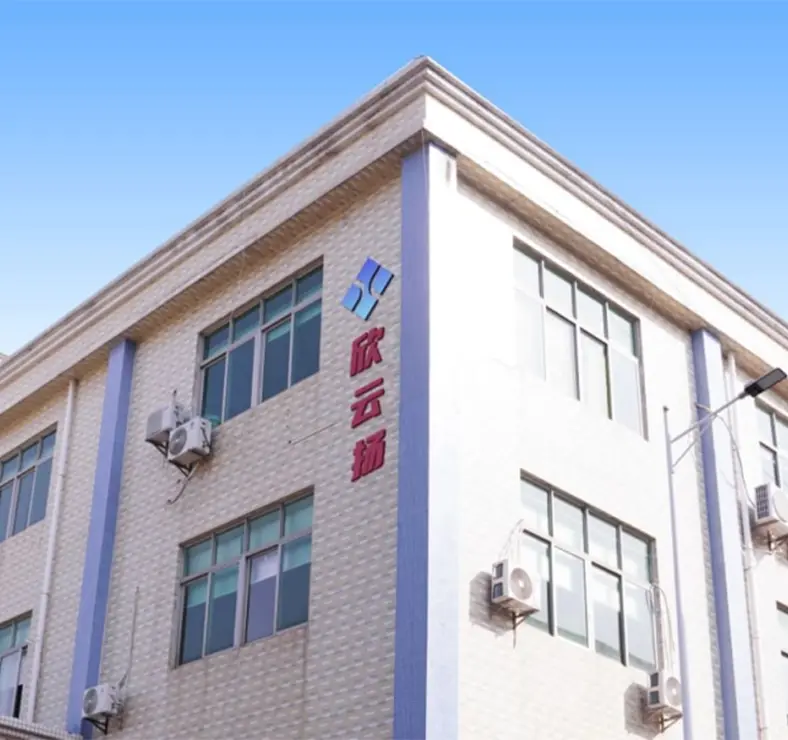
Founded in November 2014, Xinyunyang Precision Technology Co., Ltd. has remained dedicated to its core manufacturing mission, guided by the business principles of Integrity, Innovation, Cooperation, and Sharing.
We focus on Kovar precision processing technology as our core competitive strength. We serve global clients in semiconductors, optical communications, aerospace, medical devices, new energy, and defense, providing compact, custom, and highly reliable metal packaging solutions.
Supported by our clients and partners, we continue to grow and establish ourselves as a leading global supplier of hermetic package lids, Kovar alloy components, and high-precision CNC machined parts.
 High-precision processing Advanced R&D equipment Strict QA & QC control Flexible custom services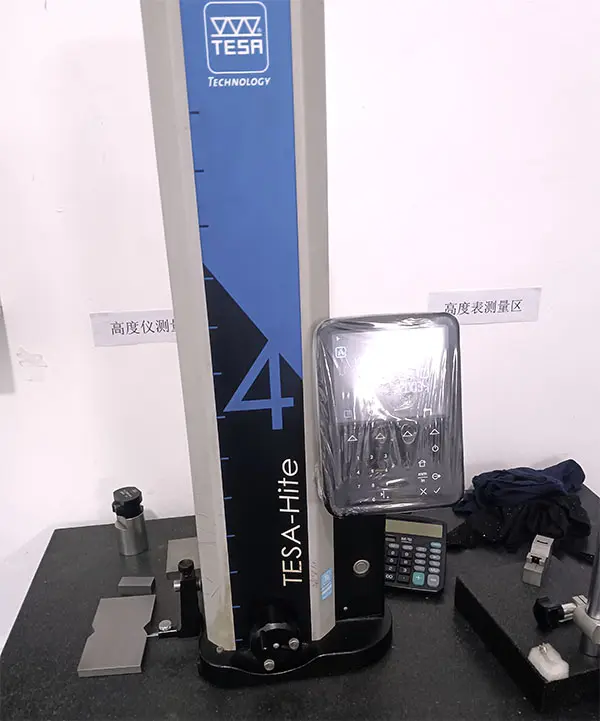
How our technical depth, industry experience, and modern production management deliver superior results.
Xinyunyang employs over 100 people, with technical engineers making up 30% of the team. Our engineers bring extensive expertise in CAD/CAM programming, toolpath optimization, and metallurgical analysis.
Our core team members have spent over 10 years in precision metal processing. We specialize in machining challenging materials like Kovar, titanium alloys, and copper, meeting advanced needs in 5G, AI, and new energy.
Operating under an ISO 9001 quality management system and using an intelligent scheduling setup, Xinyunyang has improved delivery efficiency for regular orders by 15%-20%, supporting demanding supply chains worldwide.
Year Established
Skilled Technicians
R&D Engineering Force
Delivery Efficiency Gain
Global purchasing managers prioritize speed-to-market, raw material access, and predictable pricing. Chinese CNC manufacturing hubs provide significant cost and scheduling advantages compared to Western operations. These benefits stem from highly integrated regional supply chains and deep engineering expertise.
At Xinyunyang, we utilize local material sourcing networks to secure raw materials like Kovar, OFHC copper, and titanium alloys. By pairing these material sources with automated machining and in-house plating facilities (such as precision gold-plating), we reduce lead times and shipping costs. Working with an ISO 9001 certified manufacturer in China ensures your parts meet strict global standards, including REACH and RoHS, while keeping production costs highly competitive.
The precision machining sector is shifting toward smart manufacturing. Real-time sensor monitoring on CNC mills tracks tool wear, cutting temperatures, and spindle vibrations. This data allows for immediate parameter adjustments, ensuring consistent quality when machining tough materials like Kovar.
Additionally, high-frequency 5G/6G applications demand extremely tight dimensional control. The industry is moving from standard machining to hybrid systems that combine additive manufacturing with precision CNC milling. This integration allows for complex cooling channels and light, rigid internal structures that were once impossible to produce.
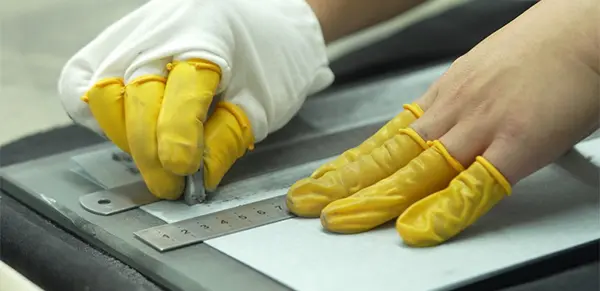
Inside Xinyunyang's clean, organized, and modern manufacturing floor.
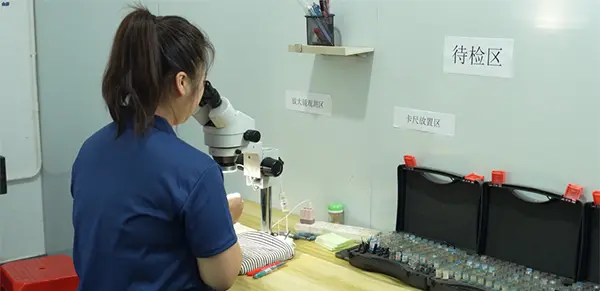
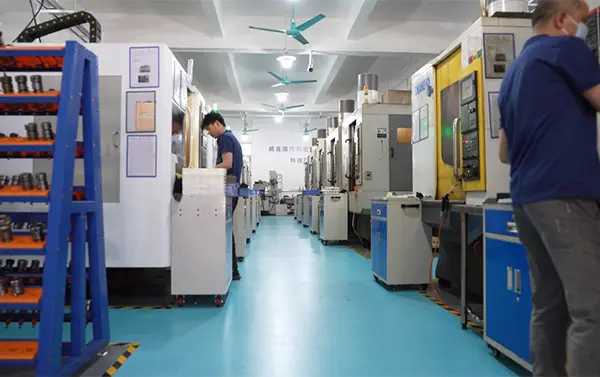
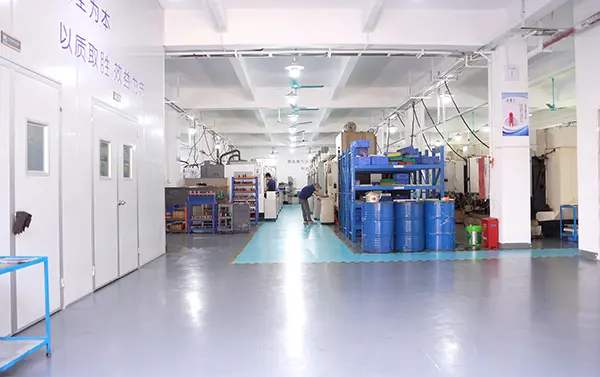
Answers to engineering and sourcing questions about precision CNC milling and matched-expansion alloy processing.
Kovar (ASTM F15 alloy) is composed of approximately 29% nickel, 17% cobalt, and 54% iron. It is designed to match the coefficient of thermal expansion of borosilicate glasses and alumina ceramics. This matching prevents stress cracking in electronic housings during thermal cycling, ensuring airtight hermetic seals for sensitive electronics.
We use rigid milling centers equipped with state-of-the-art spindles and custom diamond-coated carbide tools. High spindle speeds combined with optimized micro-toolpath profiles prevent heat buildup and work-hardening. This lets us achieve smooth surface finishes without relying on fluid lubricants.
We operate under ISO 9001 certification. All raw materials are traceably sourced with mill certificates, and finished parts undergo detailed inspection using CMM, optical comparators, and helium leak detection for hermetic packages.
Our scheduling system coordinates machine workloads, tool inventory, and raw material availability in real time. This system reduces machine downtime, helps us dynamic-route orders, and speeds up standard delivery times by 15% to 20%.
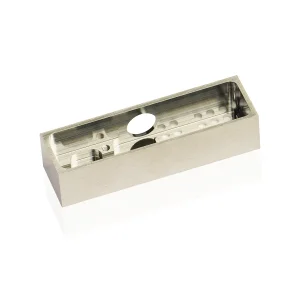
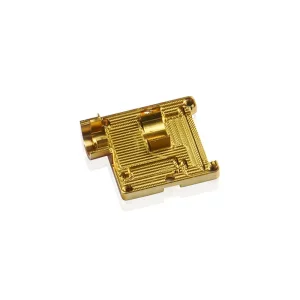
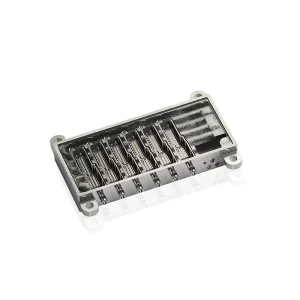
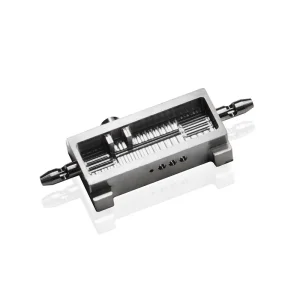
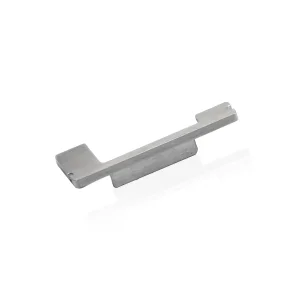
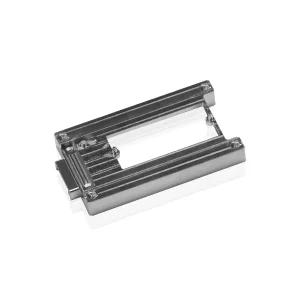
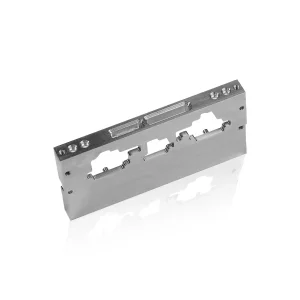
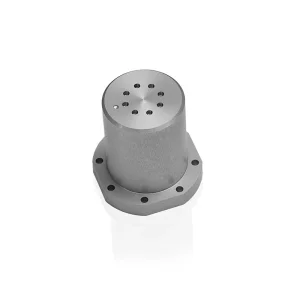
Explore our full line of custom structural frames, high-frequency enclosures, and micro-machined metal components.
 Xinyunyang Precision