In the competitive landscape of manufacturing, efficient header fabrication is crucial. According to industry expert James Huang, “Attention to detail is what separates high-quality headers from the rest.” His insights highlight the importance of precision in the header fabrication process.
To header fabrication in China demands a keen understanding of both materials and methods. Manufacturers must focus on optimizing workflows. This includes reducing waste and ensuring timely delivery. Companies that succeed often implement streamlined processes and invest in technology. However, it's essential to be aware of potential pitfalls. Overlooking small details can lead to costly mistakes.
Moreover, effective communication among teams is vital. Misunderstandings can hinder progress. To header fabrication thrives on collaboration. Addressing issues as they arise promotes efficiency. Reflecting on these challenges can drive improvements in the future. Failing to adapt can spell disaster for any manufacturer. Understanding the nuances of header fabrication can make a significant difference in production quality and operational success.
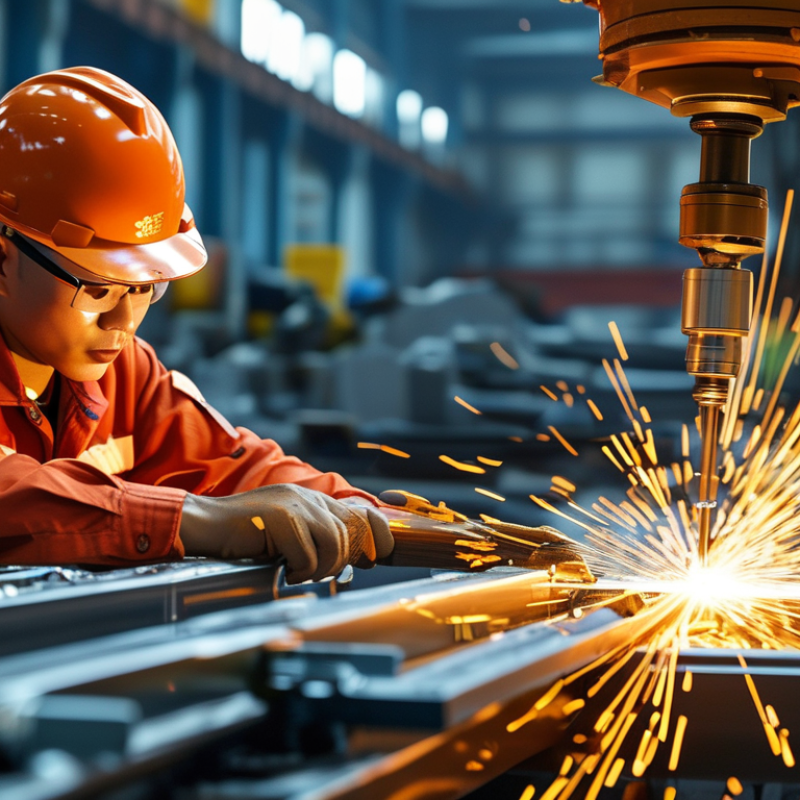
Header fabrication in China has evolved significantly. This process involves designing and producing headers used in various industries, particularly in automotive and machinery. China, as a leading manufacturing hub, offers numerous advantages, including a vast workforce and competitive pricing.
Understanding the basics of header fabrication is crucial. Precision is key, as inaccuracies can lead to significant financial loss. Data indicates that 30% of fabrication errors arise from poor design. To mitigate this, collaboration with experienced engineers can enhance design accuracy.
Investing in technology is essential. Advanced machinery can improve efficiency and reduce waste. Reports show that companies using modern fabrication tools increase productivity by over 40%. Regular maintenance of equipment is also crucial. Neglect can lead to breakdowns, affecting overall output.
It's important to review suppliers regularly. Relationships can make or break a project’s success. Selecting reliable partners ensures quality materials. Many companies overlook the importance of this step, risking project delays and increased costs.
Identifying quality materials for header production is crucial in ensuring efficiency and performance in fabrication. According to a recent industry report, using high-grade steel can reduce fabrication errors by up to 30%. This highlights the importance of selecting the right materials upfront. It also emphasizes reliability and longevity in headers, which are essential for maintaining vehicle performance and safety.
When evaluating materials, consider factors like tensile strength and corrosion resistance. Certain alloys may offer superior performance under specific conditions. For example, stainless steel is often preferred for applications involving high temperatures, while carbon steel is ideal for cost-effective solutions. However, sourcing these materials requires a keen eye. Subpar materials can lead to increased waste and longer production times, undermining efficiency.
Additionally, working with suppliers that provide traceability in their materials can enhance the quality assurance process. A study found that projects using traceable materials achieved a 20% higher customer satisfaction rate. However, not all manufacturers have the capacity to ensure this traceability, making it imperative to conduct proper evaluations and audits. Neglecting this step can result in costly mistakes in production cycles.
| Tip | Description | Quality Material | Efficiency Factor |
|---|---|---|---|
| 1. Select the Right Alloy | Choose alloys with excellent heat resistance and low thermal expansion. | Aluminum Alloys | High |
| 2. Invest in Advanced Machinery | Utilize CNC machines for precision cutting and forming. | CNC Equipment | Very High |
| 3. Conduct Material Testing | Perform tensile and impact tests to ensure material integrity. | Quality Control Testing | Moderate |
| 4. Optimize Production Layout | Arrange equipment and workstations to minimize movement. | Factory Layout Design | High |
| 5. Train Skilled Workers | Invest in training programs for employees to enhance skills. | Training Materials | Very High |
| 6. Implement Lean Manufacturing | Eliminate waste and improve processes continuously. | Lean Tools | High |
| 7. Use CAD Design Software | Utilize CAD for accurate designs and simulations. | CAD Software | Very High |
| 8. Establish Quality Assurance | Create a QA team to regularly check products. | Quality Check Tools | High |
| 9. Monitor Industry Trends | Stay updated with new techniques and technologies. | Market Research | Moderate |
| 10. Foster Supplier Relationships | Build strong ties with material suppliers for consistency. | Supplier Agreements | High |
Efficient header fabrication in China requires a streamlined manufacturing process to enhance productivity and reduce costs. According to industry reports, up to 30% of manufacturing time can be wasted on inefficient workflow and communication breakdowns. Implementing lean manufacturing principles can significantly mitigate these issues. For example, integrating just-in-time logistics can ensure that materials arrive precisely when needed, minimizing delays.
Investment in advanced technology also plays a critical role. Machinery equipped with automation can perform tasks with high precision, reducing human error rates. Studies indicate that automation can improve production efficiency by as much as 40%. However, companies often face challenges, such as the initial costs of setting up such systems. It is essential to weigh these costs against long-term savings and increased output.
Moreover, fostering a strong relationship with suppliers is crucial. A survey revealed that 70% of successful manufacturers emphasize collaboration with their supply chain partners. Miscommunication or delays from suppliers can halt production. Engaging in regular reviews and feedback sessions can help address these challenges. The goal is to create a seamless flow of information and materials. Recognizing these complexities and taking proactive steps can lead to substantial improvements in header fabrication efficiency.
Quality control measures play a crucial role in header fabrication in China. Implementing rigorous checks ensures the final product meets industry standards. One effective practice is regular inspections at different fabrication stages. This can catch issues early, preventing costly reworks later. Engaging skilled inspectors with a keen eye for detail can greatly enhance outcomes.
Another noteworthy consideration is documentation. Properly recording quality checks and deviations creates a transparent process. It enables tracking improvements over time and identifying persistent issues. Having a clear history aids in accountability and future referencing.
Prioritizing training for the workforce can significantly impact quality control. Well-trained staff are more likely to recognize flaws and adhere to best practices. Establishing a culture of quality within the team fosters ownership and pride in their work. Despite the challenges, embracing feedback and constantly seeking improvements can lead to remarkable results in header fabrication efficiency.
In the fast-paced world of header fabrication in China, leveraging technology is critical for improving manufacturing efficiency. Industry reports indicate that incorporating advanced technologies can increase production rates by up to 30%. This shift not only enhances output but also improves precision. Automation tools, like robotic arms, reduce human error while ensuring consistent quality in production lines.
Investing in data analytics is also essential. Analyzing workflow data enables manufacturers to identify bottlenecks swiftly. This insight can lead to process changes that elevate overall performance. Many factories fail to utilize available data fully, resulting in lost time and resources. Both big data and IoT are pivotal in monitoring equipment health, predicting failures, and planning maintenance.
Utilizing CAD software for design can streamline the initial phases of fabrication. This software allows for rapid prototyping and testing before full-scale production. However, some manufacturers hesitate to adopt such technologies due to costs or lack of training. Embracing a culture of continuous learning and adaptation can significantly enhance productivity. Integrating technology effectively involves not just hardware but also the human element—skilled labor is vital for maximizing technological investments.
: Header fabrication involves designing and producing headers for industries like automotive and machinery. It's a complex process.
Precision is crucial to avoid financial losses. Poor design contributes to 30% of fabrication errors. Accuracy matters greatly.
Advanced technology can increase production rates by up to 30%. This boosts output and enhances precision in manufacturing.
Quality control ensures products meet industry standards. Regular inspections catch issues early, preventing costly reworks later.
Trained workers recognize flaws better and follow best practices. A culture of quality fosters pride and ownership.
Supplier relationships affect project success. Reliable partners provide quality materials, minimizing risks of delays and costs.
Neglect can lead to breakdowns and decreased output. Regular maintenance is essential for maintaining production flow.
Analyzing workflow data identifies bottlenecks. This insight improves processes, but many fail to utilize data effectively.
CAD software streamlines design, allowing for rapid prototyping and testing. Some hesitate to use it due to costs.
Skilled labor is vital for maximizing technology benefits. Integrating technology requires both hardware and human expertise.
Efficient header fabrication in China relies heavily on a thorough understanding of the foundational processes involved. To header fabrication effectively, manufacturers must first identify quality materials that meet the specific needs of their projects, ensuring durability and reliability in the final product. Streamlining the manufacturing process is crucial, as it reduces waste and enhances productivity, leading to faster turnaround times.
Furthermore, implementing stringent quality control measures during fabrication helps maintain high standards and minimizes the risk of defects. Leveraging advanced technology plays a pivotal role in boosting manufacturing efficiency, from automated machinery to sophisticated software solutions that optimize workflow. By focusing on these key strategies, businesses can achieve superior results in header fabrication, ultimately enhancing their competitive edge in the market.

Xinyunyang Precision