2026 Top Semiconductor Device Assembly Trends for Global Buyers?

Time:2026-06-04 Author:Oliver
0%

In the ever-evolving landscape of semiconductor technology, understanding the trends in Semiconductor Device Assembly is crucial for global buyers. According to a recent report by MarketsandMarkets, the semiconductor assembly market is projected to grow from $XX billion in 2023 to $YY billion by 2026, reflecting an annual growth rate of Z%. This growth highlights the importance of staying ahead in this competitive field.

Industry expert Dr. Alice Chen notes, "The efficiency in Semiconductor Device Assembly processes will define the future of electronics." Her insights emphasize the need for innovation and adaptation. As manufacturers focus on enhancing yield rates and reducing costs, the assembly techniques are becoming more sophisticated. Factors such as miniaturization and the demand for high-performance devices are pushing the envelope in assembly technologies.

However, challenges persist. Supply chain disruptions and skill shortages raise concerns about quality control. Buyers must be aware of these complexities and seek partnerships that understand the nuances of Semiconductor Device Assembly. Navigating this dynamic market requires vigilance and informed decision-making to capture the opportunities presented by these emerging trends.
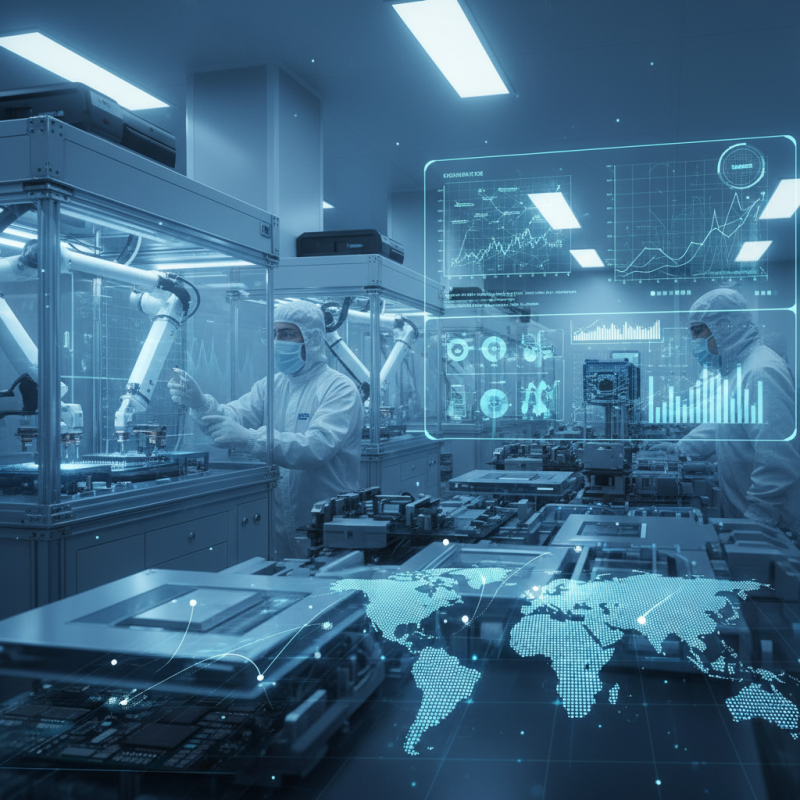
2026 Top Semiconductor Device Assembly Trends for Global Buyers?

2026 Semiconductor Device Assembly Overview and Market Insights

As we approach 2026, the semiconductor device assembly market is poised for significant changes. According to industry reports, the global semiconductor assembly market is expected to reach $65 billion by 2026, growing at a compound annual growth rate (CAGR) of 5.8%. This growth is driven by the increasing demand for advanced packaging solutions and efficient assembly processes.

In recent years, the shift towards miniaturization has influenced assembly techniques. Techniques such as 2.5D and 3D packaging are gaining traction. These methods enhance performance while minimizing space. However, there are challenges. The complexity of these advanced packages demands more precise tools and methodologies, which can lead to higher errors during assembly. Companies must balance innovation with the risk of production failures.

Tips: When exploring new assembly technologies, consider pilot projects. Small-scale test runs can provide valuable insights into feasibility and efficiency without significant investment. Additionally, staying updated with industry standards is crucial to ensure compliance and avoid potential pitfalls. Regular training for assembly teams can enhance their skills in handling complex tasks.

Key Trends Influencing Semiconductor Packaging Technologies in 2026

The semiconductor packaging landscape is evolving rapidly. As demand for smaller and more efficient devices grows, packaging technologies must adapt. One significant trend is the shift towards advanced packaging methods. These methods enhance performance while reducing space requirements. For example, 3D packaging allows multiple chips to be stacked. This approach not only saves space but also improves signal integrity.

Another trend gaining traction is the increasing use of eco-friendly materials. Sustainability is becoming a priority for many manufacturers. Traditional materials often harm the environment. New, biodegradable options are being explored to minimize this impact. However, challenges remain in ensuring these materials meet performance standards.

Collaboration between companies is essential for innovation. Sharing knowledge can lead to better solutions and quicker advancements. There is a noticeable gap between traditional methods and modern requirements. Companies must confront this gap to stay competitive. Continuous improvement is crucial for the future of semiconductor packaging. The journey is fraught with obstacles, but the potential rewards are significant.

Innovative Materials and Their Impact on Semiconductor Assembly

Innovative materials are transforming semiconductor device assembly. These materials enhance performance, increase efficiency, and reduce costs. For instance, advanced substrates offer better thermal management. This ensures that devices run cooler and more reliably. As the demand for miniaturization grows, the need for these materials becomes even more critical.

However, the integration of new materials is not without challenges. Compatibility with existing processes can pose issues. Additionally, some innovative materials may require specialized handling. This adds complexity to assembly lines. Companies must also consider the sustainability of new materials. It’s essential to balance performance with environmental impact.

Designers are experimenting with various compounds. These compounds can improve signal integrity in high-frequency applications. Yet, implementing these innovations takes time and investment. Firms must navigate potential risks during this transition. They must stay informed about the latest advancements and industry standards. This requires continuous education and adaptability.

2026 Top Semiconductor Device Assembly Trends for Global Buyers

Trend Description Innovative Materials Impact on Assembly
Miniaturization Increasing demand for smaller devices. Advanced epoxy and low-k dielectric materials. Reduced assembly space and improved heat dissipation.
3D Packaging Growing usage of 3D ICs and packages. Interposers made from silicon and advanced materials. Enhanced performance and reduced interconnect length.
Automation Rise of automated assembly processes. Smart materials for self-healing and adaptive properties. Increased efficiency and reduced labor costs.
Sustainability Focus on eco-friendly materials and processes. Biodegradable substrates and lead-free solders. Reduced environmental footprint and compliance with regulations.

Sustainability Practices in Semiconductor Device Manufacturing

Sustainability is reshaping semiconductor device manufacturing practices. The industry faces pressure to reduce waste and energy consumption. Manufacturers are investing in eco-friendly materials and energy-efficient processes. This shift not only improves sustainability but also benefits the bottom line.

Tips: Explore partnerships with sustainable suppliers. Monitor your energy usage closely. Small changes can make a big impact.

Water usage in semiconductor manufacturing remains critical. Companies must adopt advanced water recycling techniques. This not only conserves resources but also aligns with global sustainability goals. Adjusting production methods to minimize water waste is essential.

Tips: Conduct regular audits of water usage. Educate employees on conservation methods. Every drop counts.

Embracing circular economy principles is another trend. The focus shifts from linear production to recycling and reuse. By redesigning products for easier disassembly and recycling, manufacturers can reduce their environmental footprint. This approach encourages innovation and enhances overall product longevity.

Tips: Engage with local recycling programs. Consider life cycle assessments for new designs. A thoughtful approach pays off.

Global Supply Chain Challenges for Semiconductor Assembly in 2026

The semiconductor industry faces significant supply chain challenges in 2026. A recent report suggests that disruptions are expected to persist due to geopolitical tensions and material shortages. According to a McKinsey analysis, 80% of semiconductor manufacturers anticipate substantial delays in sourcing critical components.

Manufacturers are scrambling to adapt. A survey from Deloitte revealed that over 60% plan to diversify their supplier base. This move aims to mitigate risks associated with over-reliance on specific regions. Companies realize that agility is key. The need for a flexible supply chain is more pressing than ever.

Additionally, the rising demand for advanced chips complicates the situation. The market for semiconductor devices is projected to grow by 12% annually. This growth strains existing supply chains and highlights the challenges manufacturers face. Many are investing in local production capacity, but progress is slower than needed. Enhanced collaboration among industry players is essential. The road ahead requires innovative solutions and a willingness to adapt.

FAQS

: What sustainability practices are being adopted in semiconductor manufacturing?

: Manufacturers are using eco-friendly materials and energy-efficient processes. This shift benefits the environment and profitability.

How can companies reduce water usage in production?

Advanced water recycling techniques should be adopted. Regular audits and employee education on water conservation are critical.

Why is the circular economy important in semiconductor manufacturing?

It promotes recycling and reuse, reducing waste. Products designed for easy disassembly enhance their longevity.

What challenges does the semiconductor industry face in 2026?

Geopolitical tensions and material shortages are causing significant supply chain disruptions. Delays in sourcing are expected.

How are manufacturers responding to supply chain issues?

Many are diversifying their supplier base. This reduces reliance on specific regions and enhances supply chain flexibility.

Why is collaboration important in the semiconductor industry?

Enhanced collaboration can address supply chain challenges. Innovative solutions are needed to adapt to market demands effectively.

Conclusion

The article "2026 Top Semiconductor Device Assembly Trends for Global Buyers" provides a comprehensive overview of the semiconductor device assembly landscape, highlighting key market insights and emerging trends for the coming year. As technology advances, the industry is witnessing significant shifts in packaging technologies, driven by innovative materials that enhance performance and efficiency.

Sustainability practices are becoming increasingly crucial in semiconductor device manufacturing, as companies strive to minimize their environmental impact while meeting growing demands. Additionally, global supply chain challenges pose ongoing obstacles for semiconductor assembly, necessitating adaptive strategies to ensure resilience in production and distribution. Collectively, these factors will shape the future of Semiconductor Device Assembly, making it a dynamic field for global buyers to navigate in 2026.


Oliver

Oliver

Oliver is a seasoned marketing professional with a wealth of expertise in driving brand awareness and engagement. With a deep understanding of our company's product offerings, he consistently delivers high-quality content that enriches our professional blog. His insights not only shed light on......